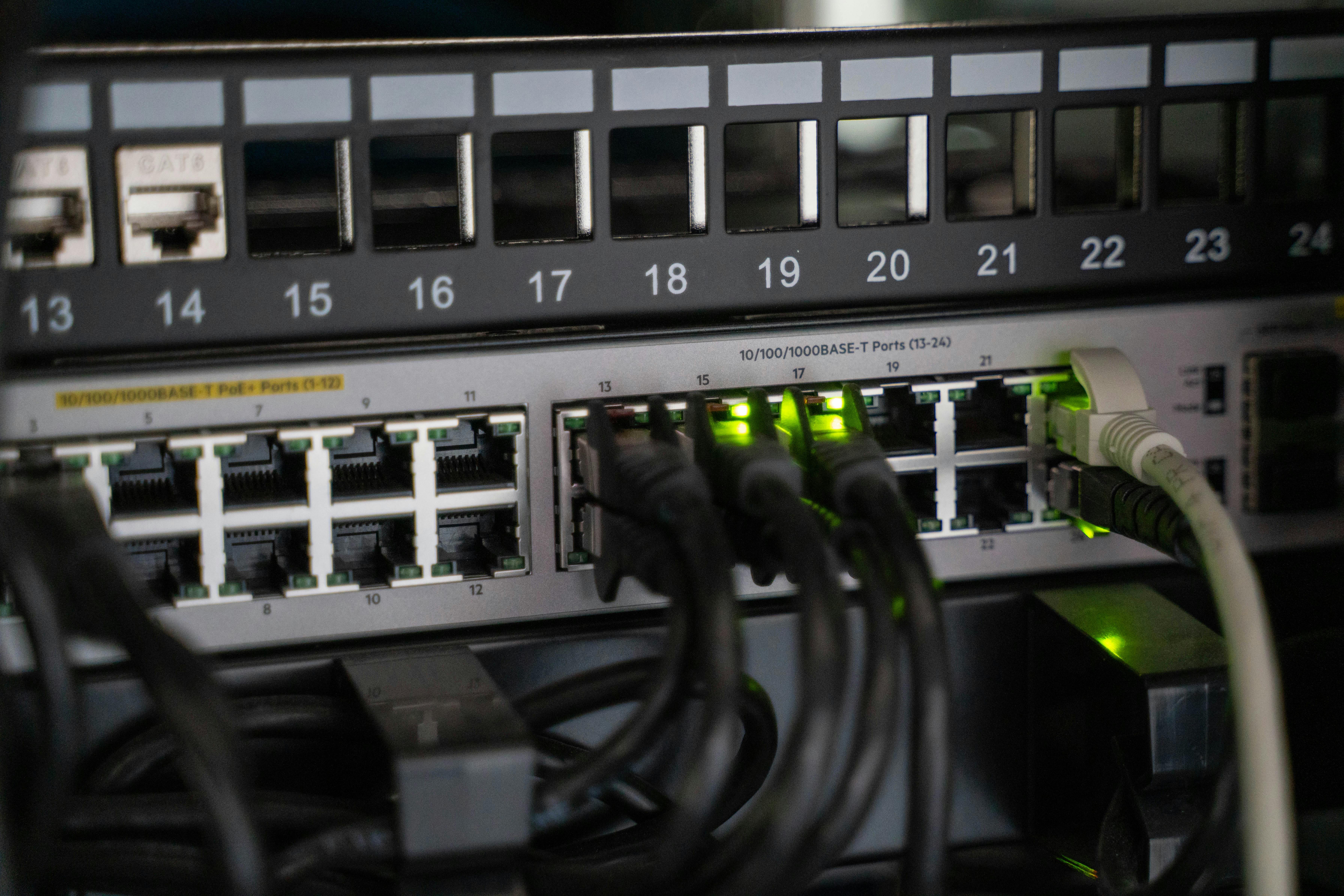
I always felt like just doing labs in class wasn’t enough. You learn the theory, but you don’t really understand how things work until you break them yourself and fix them. That’s what pushed me to start building my own homelab.
Why I Built a Homelab
As a networking student, I wanted something practical where I could experiment without worrying about breaking real systems. Instead of relying only on simulations, I built a small environment where I could run services, test configurations, and troubleshoot real issues. The goal wasn’t to build something expensive, but something I could actually use and learn from every day.
My Setup
I started with a compact mini PC and turned it into a multi-purpose server. Using virtualization and containers, I was able to run multiple services on a single machine. My setup includes media services, containerized applications, and remote access tools that allow me to manage everything from anywhere.
This setup gave me hands-on experience with:
- Containerization and service deployment
- Basic networking between services
- Storage management and planning
- Remote access and connectivity
What I Learned
Not everything worked the first time. I ran into issues with networking, service failures, and configuration mistakes that took hours to debug. But that’s exactly where the real learning happened. Every problem forced me to understand how systems communicate and how to troubleshoot effectively.
Compared to classroom labs, this felt much closer to real-world IT work. Instead of following instructions, I had to figure things out on my own.
Challenges I Faced
One of the biggest challenges was managing multiple services without breaking dependencies. I also had to deal with network access issues, especially when trying to securely connect from outside my home network. Storage planning and organizing services properly was another area that took time to improve.
What’s Next
Going forward, I want to expand my homelab by adding better storage, automating backups, and improving overall organization. I also plan to explore monitoring tools and more advanced networking setups to make the system more reliable and efficient.
Why This Matters
This project reflects my approach to learning — hands-on, practical, and constantly evolving. It shows my ability to build, manage, and troubleshoot real systems outside of a classroom environment. For me, the homelab isn’t just a project, it’s an ongoing learning space that I keep improving every week.